The adrenaline of professionals who do not race on the track
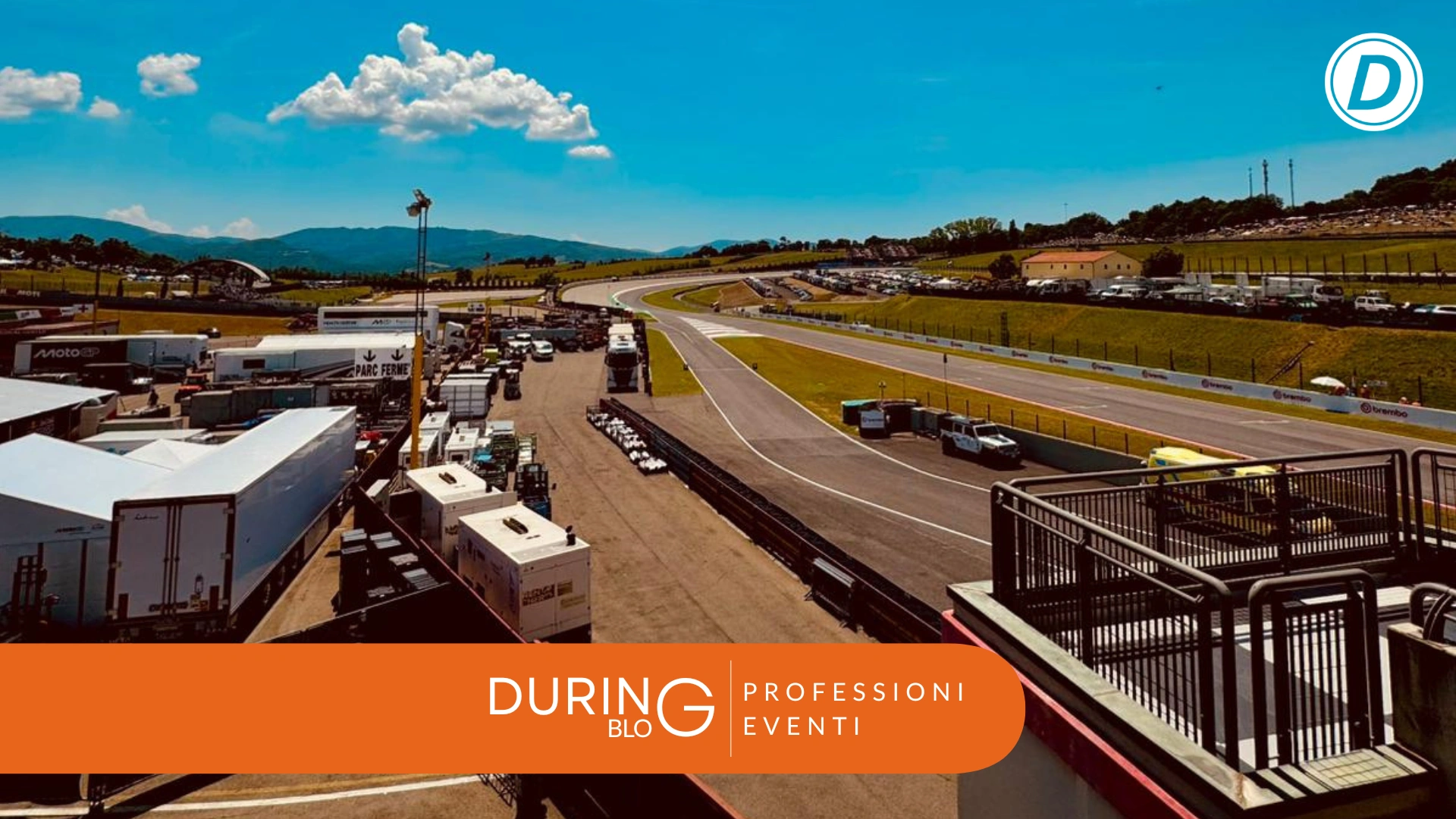
We are halfway through the motorsport season, spanning motorcycling, car racing and powerboat racing. Italy hosts some of the world’s most prestigious circuits and, after the summer break, racing returns in September: Formula 1 visits Monza from 4 to 6 September, while MotoGP arrives in Misano from 11 to 13 September.
Behind every Grand Prix there are not only drivers and single-seaters, but an entire world of professionals: technicians who design the cars, organisers who manage safety and staff who welcome guests. Here are these professions and how to enter them.
Technical and track area: designing and developing cars
Working in automotive is a dream for anyone passionate about engines, in a highly innovative sector that requires qualified professionals able to keep up with a world moving fast in every sense.
Mechanical engineer
What they do: designs and develops vehicle components, including engines, transmissions and suspension, optimising performance, efficiency and safety. The role includes structural analysis, material selection, prototyping and testing.
How to become one: the route begins with a a degree in Mechanical Engineering or Mechatronics, enhanced by experience in Formula SAE during their studies. Important steps include internships with teams or suppliers, a good knowledge of CAD/CFD and fluent English.
Electrical and software engineer
What they do: the electrical engineer manages batteries, electric motors and energy recovery systems, designing wiring and sensors that monitor parameters such as temperature and pressure in real time. The software engineer develops the telemetry that transmits data to the pit wall, builds simulations for tyre and energy strategies, and programs the control units that manage the gearbox and differential.
How to become one: the route is similar to that of a mechanical engineer: a degree in Electrical, Electronic or Computer Engineering, with experience in embedded electronics and software development. Useful skills include telemetry, motor control and languages such as C++ and Python. The internships within teams or with technical suppliers provide a route into the industry.
Maintenance technician
What they do: diagnoses and repairs vehicle faults, with a particular focus on new technologies. A more specialist role is the electric vehicle technician, who works on batteries, electric motors and charging systems.
How to become one: the role requires a technical or vocational qualification in mechanics or electrical engineering, often followed by specialist courses in racing engines. Essential preparation includespractical experience as a mechanic, gained in a workshop or through placements with racing teams.
Vehicle designer
What they do: works on the aesthetic and functional aspects of vehicles, bringing together styling and aerodynamics. The role covers exterior features such as bodywork and vehicle lines, and interior features such as the cockpit, dashboard and seats, while meeting technical, ergonomic and safety requirements. Designers often work with engineers and aerodynamicists to balance appearance, comfort and overall performance.
How to become one: the most common route involves a a degree in Product or Transport Design, a Master's in Car Design and an internship with vehicle manufacturers or design studios.
Key track roles: working alongside the driver
Every Grand Prix needs specialists able to work real time, during practice and racing, to ensure performance and driver safety.
Race engineer
What they do: works directly with the driver, translating feedback into technical adjustments to the vehicle’s handling and setup. The engineer decides the race strategy with the pit wall, assessing pit stops, tyre management and track conditions in real time, and analysing telemetry to optimise performance throughout the race weekend.
How to become one: an Engineering degree in mechanical, automotive, electronic or computer engineering, experience in Formula Student, a master’s degree focused on vehicle dynamics, and placements working alongside drivers in junior categories.
Telemetry engineer
What they do: analyses data collected by sensors installed on the vehicle, monitoring power, temperatures and pressures to optimise the setup. Comparing a driver’s data with that of teammates also helps identify opportunities to improve lap times.
How to become one: an engineering degree, a Master's in telemetry and vehicle dynamics, or placements with racing teams.
Race mechanic
What they do: carries out tyre changes during pit stops, repairs damage quickly and carries out pre-race safety checks.
How to become one: a technical diploma in mechanics, mechatronics or electronics, motorsport training and practical experience in a workshop or with local teams.
Strategy engineer
What they do: develops the race strategy by analysing tyre, fuel and weather data and simulating alternative scenarios to determine pit stop timing and overtaking tactics, working closely with the pit wall and race engineer.
How to become one: an Engineering degree in mechanical, aerospace or management engineering, with a strong aptitude fordata analysis and statistics. Experience in simulation and predictive modelling is useful; progression often starts in data or performance engineering roles within teams.
Organisation and management: logistics, safety and communication
This area coordinates logistics, safety and commercial activities that keep the race running behind the scenes at the circuit.
Race director
What they do: manages overall safety at the circuit, decides when to deploy the Safety Car and applies the official sporting regulations.
How to become one: the route is federation-approved and includes ACI Sport courses to become a track marshal, followed by years of trackside experience and progression to chief marshal, then national examinations and selection procedures to obtain a race director’s licence.
Team Coordinator / Team Manager
What they do: organises travel and accommodation for the team, manages championship entries and plans the schedules of drivers and technicians.
How to become one: a degree in business or management, a Master's in Sport Management and initial experience in team logistics or smaller events.
Chief marshal
What they do: coordinates trackside staff, manages flag signals and organises emergency assistance following an incident.
How to become one: ACI Sport courses for track marshals, followed by years of practical experience leading to a coordinating role.
VIP areas and hospitality jobs
Major events also have a private area, often by invitation only: thehospitality area, where cooks, waiting staff and logistics operatives play important roles. During sporting events, many of these roles are recruited through During SpA.
Motorsport chef and kitchen assistant
What they do: is an event catering role requiring high standards under tight time constraints. The cook prepares buffet, live-cooking or à la carte dishes, manages the kitchen section and oversees quality. The kitchen assistant helps with preparation, cleaning, ingredients and service, often in temporary facilities with controlled access. The work requires physical stamina and weekend flexibility and catering experience, particularly valuable for cooks. Aan HACCP certificate is almost always compulsory.
How to become one: a hospitality qualification is not essential for a kitchen assistant; a cook needs proven kitchen experience. HACCP certification can be obtained through short courses, including online courses.
Hospitality waiter
What they do: serves the VIP guestsat tables or buffets, sets and clears tables, handles drinks and welcomes sponsors and VIP guests, coordinating food service timings with the kitchen. The role requires a well-presented appearance and interpersonal skills, physical stamina, weekend flexibility and, for international events, basic English.
How to become one: a hospitality diploma is not essential; what matters ispractical service experience, even at an introductory level. Weekend availability is crucial: events last only a few days but involve intensive work. English and other language skills are particularly valued in these settings.
Kitchen porter at motorsport events
What they do: washes dishes and pans, operates industrial dishwashers or washes by hand, replenishes kitchen supplies at busy times and cleans work areas. The work requires physical stamina and speed. TheHACCP is almost always required, but specific experience is not essential.
How to become one: simply requiresan HACCP certificate, available through a short course, including online, and availability for concentrated shifts. This is one of the most accessible routes into event work.
Hospitality porter
What they do: moves and transports goods, equipment and setup materials, loads and unloads vans, and assembles and dismantles tables, gazebos and bar counters, ensuring logistical support during the event. The role requires physical strength and stamina. A category B driving licence or experience with forklift trucks and pallet trucks can help, but is not always required. Availability spans setup, the event itself and dismantling.
How to become one: no specific qualification is required, making it one of the most accessible routes in the events sector. Logistics or exhibition setup experience is an advantage.
Motorsport event manager
What they do: coordinates suppliers and setup, manages the event budget and plans commercial activities in the paddock.
How to become one: a degree in Economics, Management, Sports Science or Law, a master’s degree in sports management and initial event management experience with local or junior racing teams.
Interested in working at the next motorcycle Grand Prix in Misano? During is recruiting hospitality staff. Apply ateventisportivi@during.it
For other roles at sporting events, browse the vacancies from During SpA that best match your skills, or submit an open application while waiting for a suitable vacancy to become available.
Which motorsport roles are most in demand?
The most sought-after roles range fromtechnical roles (mechanical, electrical and software engineers, maintenance technicians and vehicle designers) totrackside roles (race engineers, telemetry engineers, race mechanics and strategy engineers), as well asorganisational roles (race directors, team managers and marshals) andhospitality (chef, waiter, porter or event manager).
Which degree is needed to work in a Formula 1 or MotoGP team?
It depends on the role. Technical positions such as mechanical, electrical, race or strategy engineering require degrees in mechanical, electronic, computer or automotive engineering, often followed by a specialist master’s degree. Organisational roles are more likely to require degrees in Economics, Management or Sports Science.
Is a degree essential for working in motorsport?
No. Many roles, particularly trackside roles (mechanic) and hospitality area (waiting staff, kitchen porters, event porters and kitchen assistants) can be entered with a technical or vocational qualification, or do not require a specific training pathway, placing greater emphasis on practical experience.
How do you become a race engineer?
The usual route involves a an Engineering degree in mechanical, automotive, electronic or computer engineering, experience in Formula Student, a a master’s degree focused on vehicle dynamics and placements alongside drivers in junior categories, followed by gradual progression within a team.
What does a strategy engineer do?
The role analyses tyre, fuel and weather data to develop the race strategy, simulating alternative scenarios to determine pit stop timings and overtaking tactics in close cooperation with the pit wall.
How do you become a race director?
The route is federation-approved: it starts with ACI Sport training for track marshals, followed by experience and progression to chief marshal, then national examinations and selection procedures for the official licence.
Which skills are needed for hospitality work at a Grand Prix?
The main requirements are physical stamina and weekend flexibility and some practical catering or events experience. For roles serving VIP guests, such as waiting staff, it is useful to have a good command of English, while kitchen roles almost always requirean HACCP certificate.
Can you work at a Grand Prix without previous experience?
Yes. Some roles provide an entry point into events: kitchen porter and porter, for example, do not require specific experience, but do require weekend availability and, for kitchen porters, HACCP certification.
Is English needed for VIP and hospitality work?
It is not always compulsory, but it is highly valued in guest-facing roles such as waiter, particularly at international events with overseas sponsors and visitors. It is less essential in operational roles such as cook, kitchen porter or event porter.
Are motorsport jobs limited to the racing season?
Largely yes, particularly for hospitality and logistics, which are linked to individual race weekends. Technical and engineering staff work throughout the year on vehicle development, testing and preparation for future seasons.